
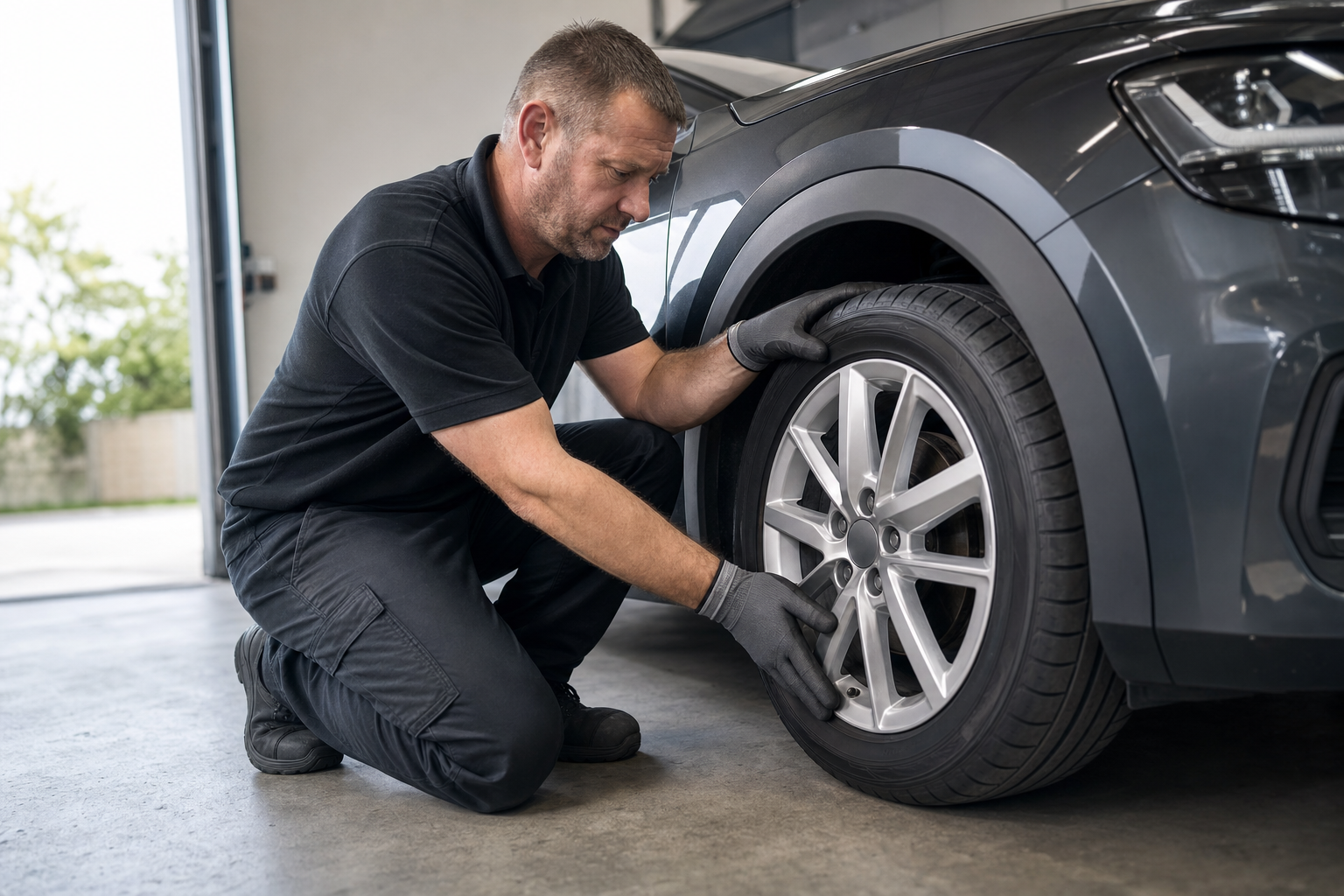
What proper tyre work helps avoid
Wrong tyre choice
We consider fit, ratings and vehicle use before the replacement goes on.
Premature wear returning
Uneven tread wear can point to faults beyond the tyre itself that need checking.
Loose ends after fitting
Pressure and secure seating matter if you want the replacement to perform properly.
Tyres wear out for more than one reason
Sometimes a tyre simply reaches the end of its tread life. Other times, the problem is damage, a puncture, cracked rubber, sidewall trouble or a wear pattern that tells a bigger story. With JS Vehicle & Plant Limited, we look at why the tyre needs replacing as well as what replacement suits the vehicle. Size, load rating, speed rating, everyday use and the way you drive through the seasons all matter, because the right tyre should fit the vehicle properly and suit the work it does on the road.
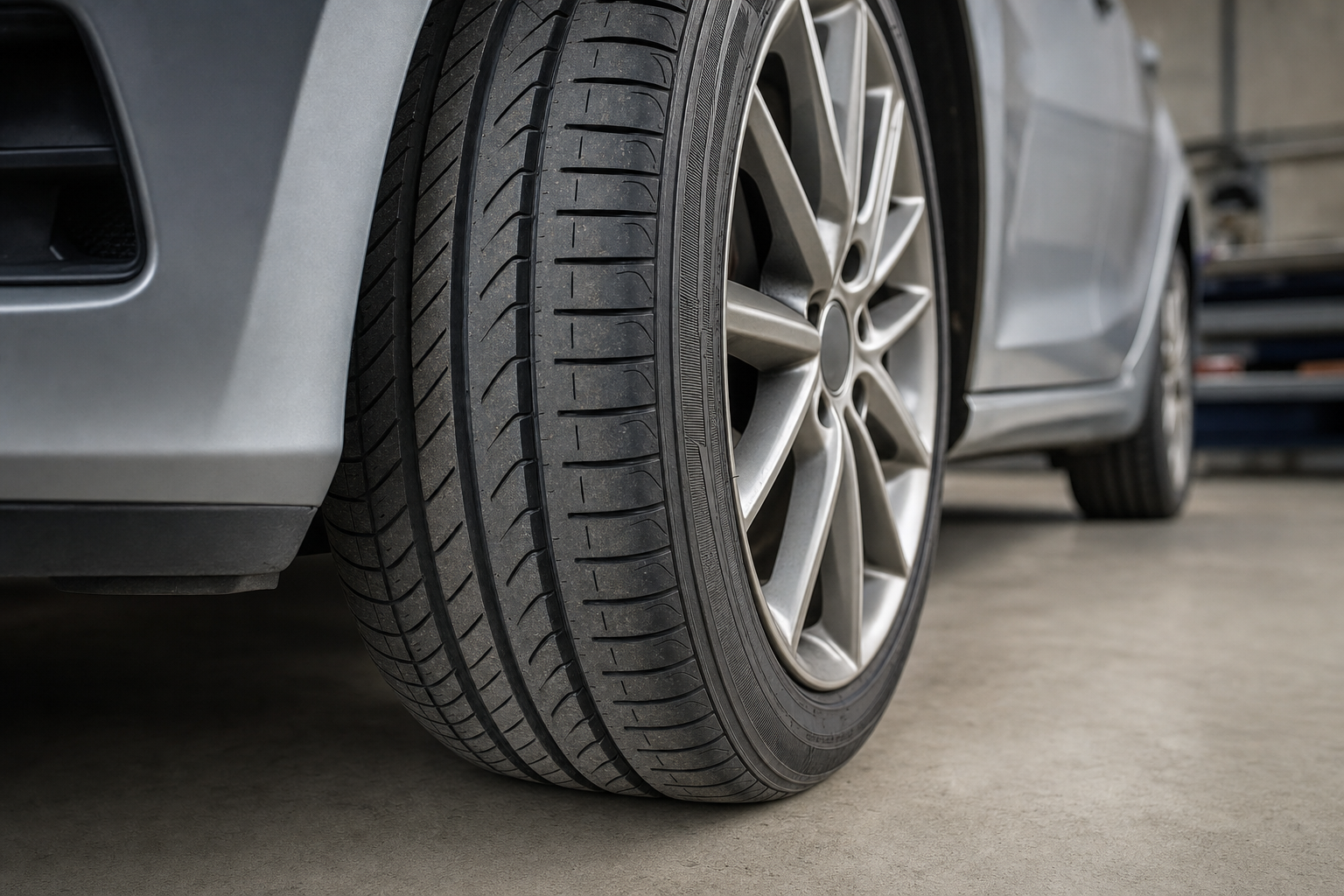
Fitting is one part of the bigger picture
Professional tyre replacement means taking off the old tyre, fitting the new one correctly, inflating it to the proper pressure and checking it is seated securely. We also keep an eye on issues that can shorten tyre life, such as poor pressure habits, suspension wear or running problems that cause uneven contact with the road. Through JS Vehicle & Plant Limited, you get practical fitting backed by a wider workshop view, which can help stop the next set wearing out before its time.
Frequently asked questions
When should a tyre be replaced rather than repaired?
Low tread, serious puncture damage, sidewall cuts, cracking or an unsafe wear pattern can all mean replacement is the better route. The tyre has to be judged on its overall condition, not just one damaged spot, because grip and structural strength both matter on the road.
Can uneven tyre wear mean another fault?
Yes. Uneven wear can be linked to pressure problems, suspension wear or other running issues that stop the tyre meeting the road evenly. Replacing the tyre without checking the cause can mean the next one starts wearing badly as well, which is a costly repeat.
What do you need to know when I call about tyres?
It helps if you can tell us the vehicle details and what you have noticed, such as low tread, a puncture, damage or odd wear. If you can see the tyre size, that is useful too, but if not, we can still talk through the issue and guide the next step.